HYDRATION · EVERYDAY HABITS · 4 MIN READ
Your water bottle is not a personality test.
Water deserves a place in your day. Make it easy to reach, adapt to your circumstances and leave the bottle competition to somebody else.
Healthy Baseline · Updated 12 October 2026
You’ve answered the emails, put a wash on and remembered where the car keys are. The glass of water you meant to get at breakfast? Still a good intention.
Hydration is one of those basics that can disappear into a busy day. Meanwhile, the advice gets louder: enormous bottles, exact targets and another app to tell you whether you’re doing it properly.
Your water bottle is not a personality test. It’s a useful tool for meeting a simple need. Let’s make that easier without turning it into another performance.
Why water earns its place
Our bodies need water for ordinary functions, including temperature regulation, digestion and transporting substances around the body. We lose fluid through breathing, sweating and going to the toilet, and replace it through drinks and food.
That’s enough reason to pay attention. We don’t need to promise that another glass will sharpen every thought, fix every headache or unlock a secret version of ourselves.
Think of hydration as part of your foundation, alongside meals, movement and rest. It deserves a place in the day rather than a dramatic sales pitch.
How much? It depends on your day
A desk day in a cool room and a long summer walk are different situations. Activity, weather, body size, food and individual circumstances all influence fluid needs. Even your own needs change from day to day.
That’s why we’re leaving rigid glass counts and body-weight formulas out of this baseline. Notice thirst, make drinks readily available and allow for the circumstances you’re in. Don’t force large quantities just to finish a bottle.
Tea and coffee contribute fluid too. You don’t need to pretend your morning cup contains no water. Caffeine is a separate consideration, particularly if you notice it gets in the way of winding down later.
Notice the pattern, not just one symptom
It’s easy to get absorbed in a task, then realise you haven’t had a drink for hours. Checking your routine is often more useful than waiting for a dramatic signal.
Thirst and changes in urine colour can offer clues, but neither gives the whole picture. Food, supplements and medicines can affect colour. Tiredness and headaches also have many possible causes; a glass of water is not a diagnosis.
If something keeps bothering you, get appropriate advice rather than continually explaining it away as dehydration. If you’ve been given a specific fluid limit or drinking plan, follow that individual advice.
Useful moments to have a drink
You don’t need an hourly alarm unless it helps you. Tie a drink to things that already happen:
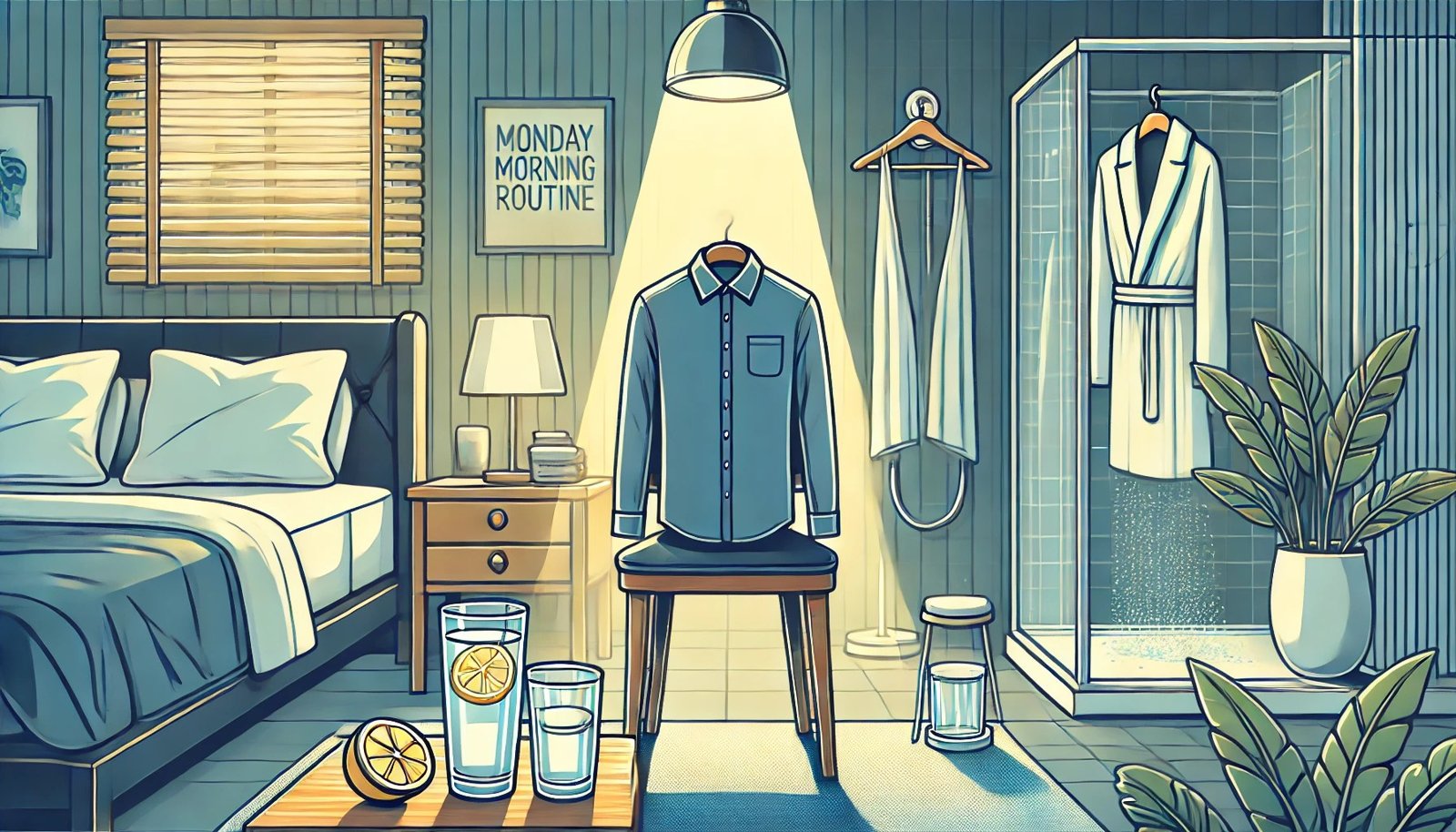
- Starting the day: put a glass beside breakfast, without expecting a metabolic miracle.
- Settling down to work: keep water within reach before the first call.
- Eating a meal: put a jug on the table so having a drink feels ordinary.
- Heading out: take water when you’ll be walking, travelling or away from an easy refill.
- Being active: make drinking opportunities part of the activity, especially when it’s warm.
Choose the moments that suit your life. A routine you actually use is worth more than an impressive plan you forget by Tuesday.
Make it pleasant and easy
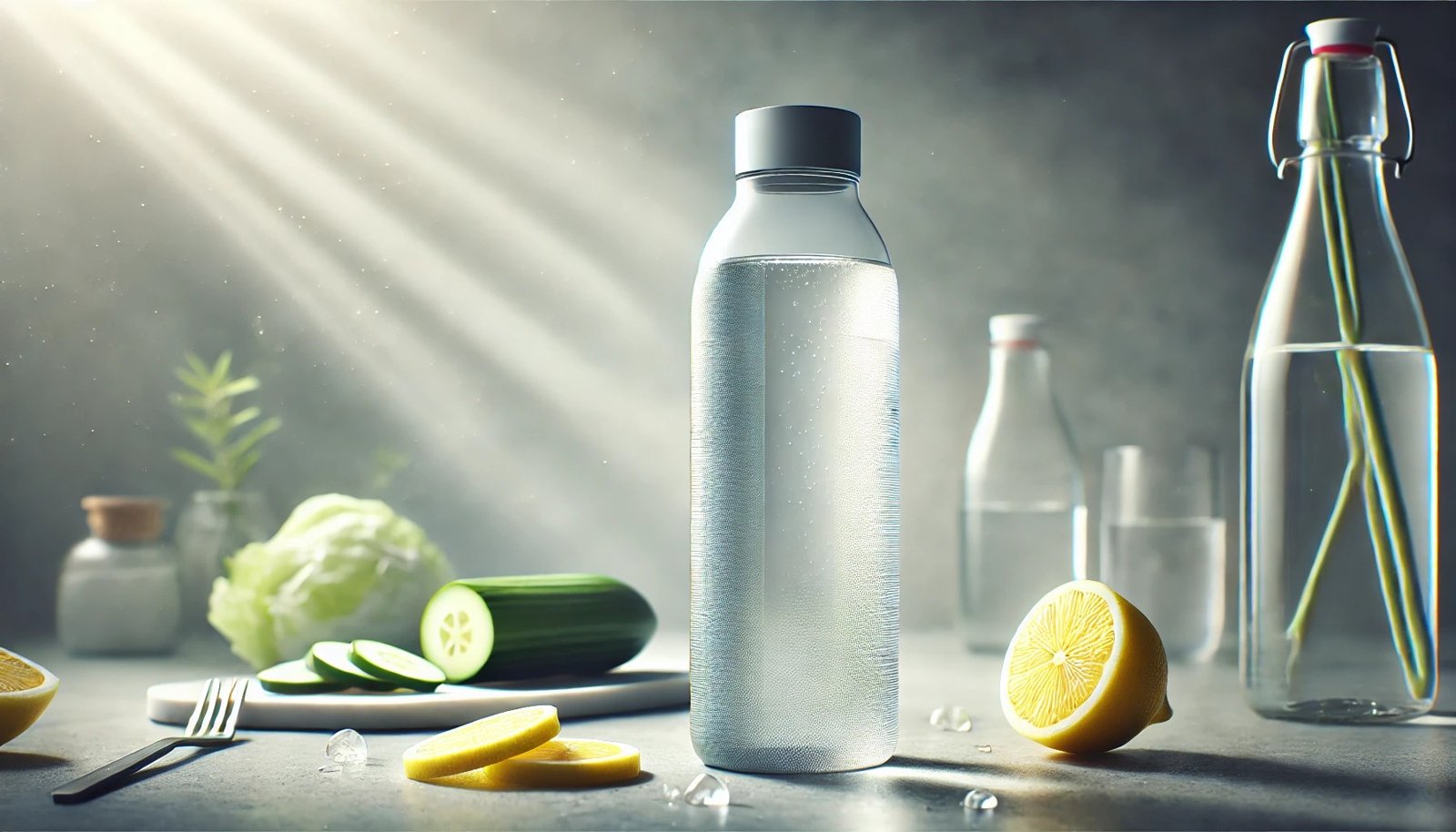
A clean reusable bottle works. So does a glass on the kitchen counter. If you prefer chilled water, keep some ready. If a slice of lemon, cucumber or a little mint makes it more appealing, add it for the flavour.
Water-rich foods also contribute fluid. There’s no need to track every mouthful, but it’s another reason to look at your day as a whole.
And if drinking alerts become one more nuisance on your phone, switch them off and try a physical cue instead. The bottle beside your keyboard might do the job with considerably less fuss.
Back to the baseline
Stay hydrated is the principle. Keeping water handy is a habit that helps put it into practice. Neither requires expensive equipment or a competition with somebody else’s routine.
Start with one change this week. Keep it if it helps; adjust it if it doesn’t. You’ve already got enough things to remember. Let this be one of the easier ones.
ONE THING TO TRYPut a reusable bottle or glass somewhere you will see it. Choose one daily cue for a drink, and try it for a week.
Sources and further reading