FOOD & NUTRITION · EVERYDAY HABITS · 6 MIN READ
Eat Well: A Shopping Basket That Works for Real Life.
Ten useful additions to the weekly shop, simple ways to turn them into meals and room for chocolate. Good nutrition starts with choices you’ll actually use.
Healthy Baseline · Updated 12 October 2026
Eating well starts surprisingly often in the supermarket aisle. What goes into the basket tends to end up in the kitchen — and what’s easy to reach tends to end up on the plate.
That doesn’t mean every shopping trip needs a nutrition spreadsheet. A few useful ingredients, some meals you actually enjoy and a little room for treats can make the everyday choices easier.
Here are ten ideas for your next shop. They’re a starting point, rather than ten compulsory purchases or a complete diet. Take what suits your tastes, budget and household. The trolley with the wonky wheel is quite enough to wrestle with.
Ten useful additions to your shopping list
1. Lemons: a little zest goes a long way
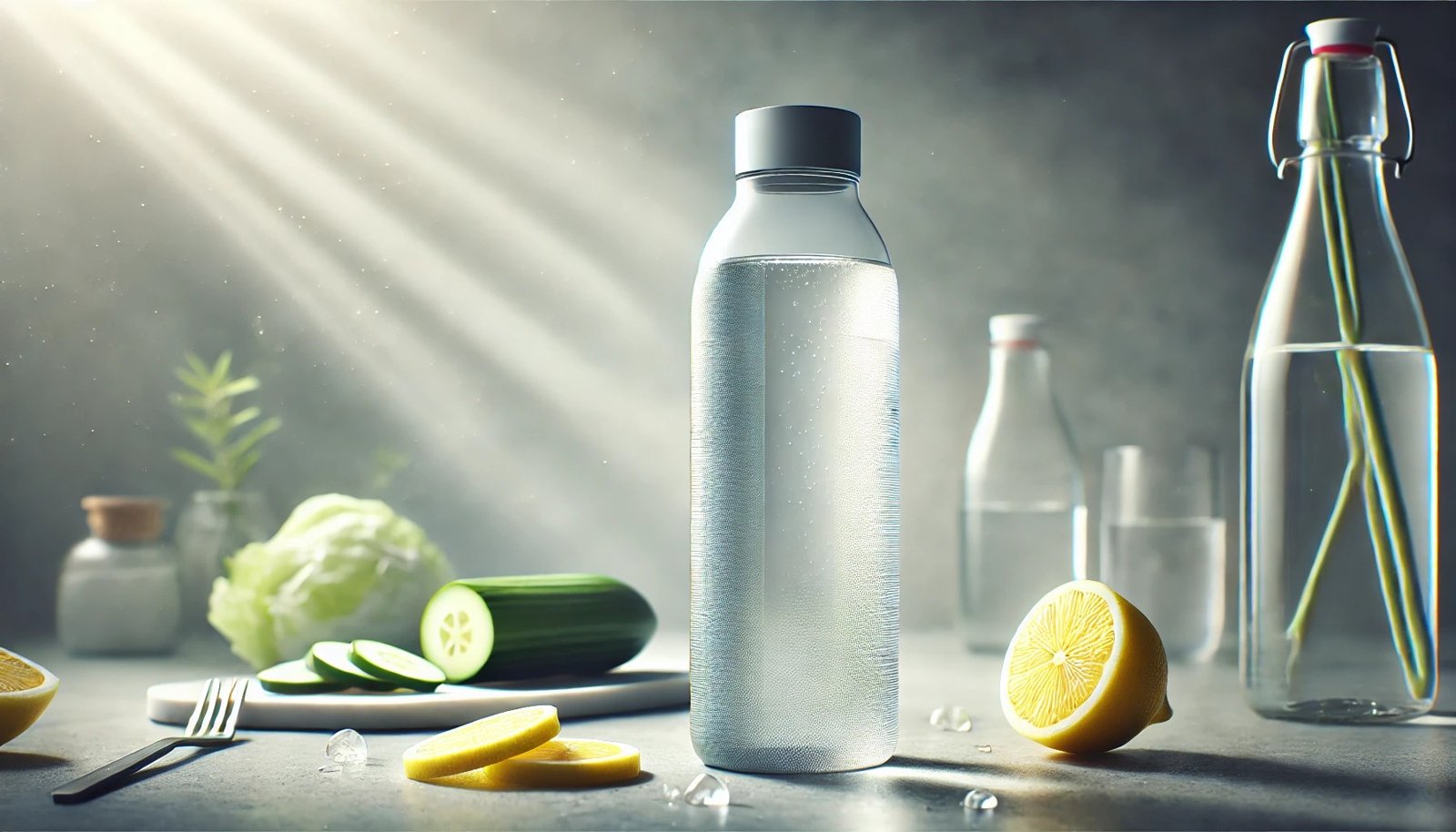
A squeeze of lemon can brighten water, fish, vegetables or a simple dressing. If you enjoy warm lemon water in the morning, enjoy it. You don’t need to turn it into a cleansing ritual or expect it to flush out your organs.
The useful question is simpler: will you use it? A lemon that makes dinner taste better earns its place in the basket.
2. Limes: give your water a change of scenery
A slice of lime can make plain water more appealing. It also works well in a bean salad, a marinade or squeezed over a bowl of rice and vegetables.
There’s no need for promises about balancing your body’s pH or cleansing your blood. Flavour is a perfectly respectable job for a lime.
3. Bananas: convenience in its own packaging
Bananas are easy to carry, need no preparation and work with breakfast or as a snack. They provide carbohydrate, fibre and potassium, without requiring a blender or an enthusiastic sales pitch.
Slice one over porridge or yoghurt. If they’re heading past their best, peel and freeze them for another day. Other fruit is welcome too — this isn’t a banana loyalty scheme.
4. Mixed nuts: keep a useful snack to hand
A small handful of nuts is easy to keep in the cupboard or take out with you. They contribute fats, protein and fibre, and add crunch to oats, salads or yoghurt.
Choose a mix you enjoy, preferably without lots of added salt or sugary coatings. If nuts aren’t suitable for you, leave them out. A useful shopping list adapts to the person using it.
5. Juicy fruit: buy something you’ll look forward to eating
Melon, pineapple or whatever fruit is in season can make a welcome change from the same hurried snack every afternoon. Fruit supplies water as well as nutrients, although you’ll still want to keep drinking through the day.
Buy an amount you’ll realistically use. A whole melon is less impressive when most of it ends up in the bin. Frozen fruit can be handy for smaller households or busy weeks.
6. Plain Greek yoghurt: breakfast with possibilities
Plain Greek yoghurt can be a useful protein-containing base for breakfast, or a topping for fruit and oats. It also makes a simple dip with herbs and lemon.
If dairy doesn’t suit you, choose an alternative that does; compare labels, as protein and added sugar vary. There’s no requirement to swap every dairy food for yoghurt. We’re making breakfast easier, not launching a kitchen revolution.
7. Broccoli: the green machine
Steam it, roast it or throw it into a stir-fry. Broccoli is a straightforward way to add a vegetable to meals, and frozen florets are useful when fresh food won’t last until you need it.
Not a fan? Try peas, cabbage, carrots or another vegetable you enjoy. Variety matters more than crowning one vegetable king of the fridge.
8. Soup: a plan for the evening you have no plan
A fresh soup you enjoy can save dinner when time and enthusiasm are running low. Homemade leftovers or a cupboard option can do the same job.
Think about what’s in the bowl: vegetables, beans or lentils can make a useful base. Add something alongside it if needed — perhaps wholegrain bread, eggs or another protein food. Compare salt on packaged soups rather than assuming “fresh” tells you everything.
9. Hummus: give the vegetables something to dip into
Hummus with cucumber, carrots or peppers makes an easy snack or part of lunch. It also works in a sandwich or alongside leftovers.
The practical trick is having it ready when you want it. A pot tucked behind three forgotten jars won’t help much. Put the easy options where you can see them.
10. Quality chocolate: leave room for pleasure
A few squares of chocolate after dinner can simply be something you enjoy. It doesn’t need to become a health supplement, a reward for exercising or a guilty secret.
Choose something you like, in an amount that fits the way you want to eat. If cocoa sourcing matters to you, read about how it’s produced. Tony’s Chocolonely, linked below, is one place to explore that question; it’s a sourcing reference, rather than nutritional advice.
What turns a basket into meals?
These ten ideas need some company. Think about your usual sources of protein, carbohydrate and fats, alongside fruit and vegetables: perhaps eggs, fish, meat, beans or tofu; oats, potatoes, rice or other grains; and ingredients that make the meal taste good.
You don’t have to settle the vegan-versus-carnivore debate at the checkout. Our principle is to get the nutrients you need, then build a way of eating you can realistically keep up. Fresh, frozen and tinned ingredients can all have a practical place.
Check what’s already at home, plan a couple of meals and buy for those. That gives the ingredients a job, helps avoid waste and saves the nightly question: “What on earth are we eating?”
Shop smart, eat well, keep living
Food is one of our nine principles, alongside hydration, movement, strength, rest, breathing, reducing harmful exposures, focus and purpose. A well-stocked kitchen supports that baseline; it doesn’t have to take over your life.
Keep the basics easy to repeat, share meals when you can and leave room to enjoy them. The aim is a basket that works for real life — including the chocolate.
ONE THING TO TRYPlan two simple meals before your next shop, then buy what you need to make them.
Sources and further reading