EAT WELL · EVERYDAY STRENGTH · 3 MIN READ
Protein Powder: Useful Shortcut or Another Tub in the Cupboard?
Whey, pea, soy, casein: the choices are plentiful. Start with what your meals provide, then decide whether a powder fills a useful gap.
Healthy Baseline · Updated 12 October 2026
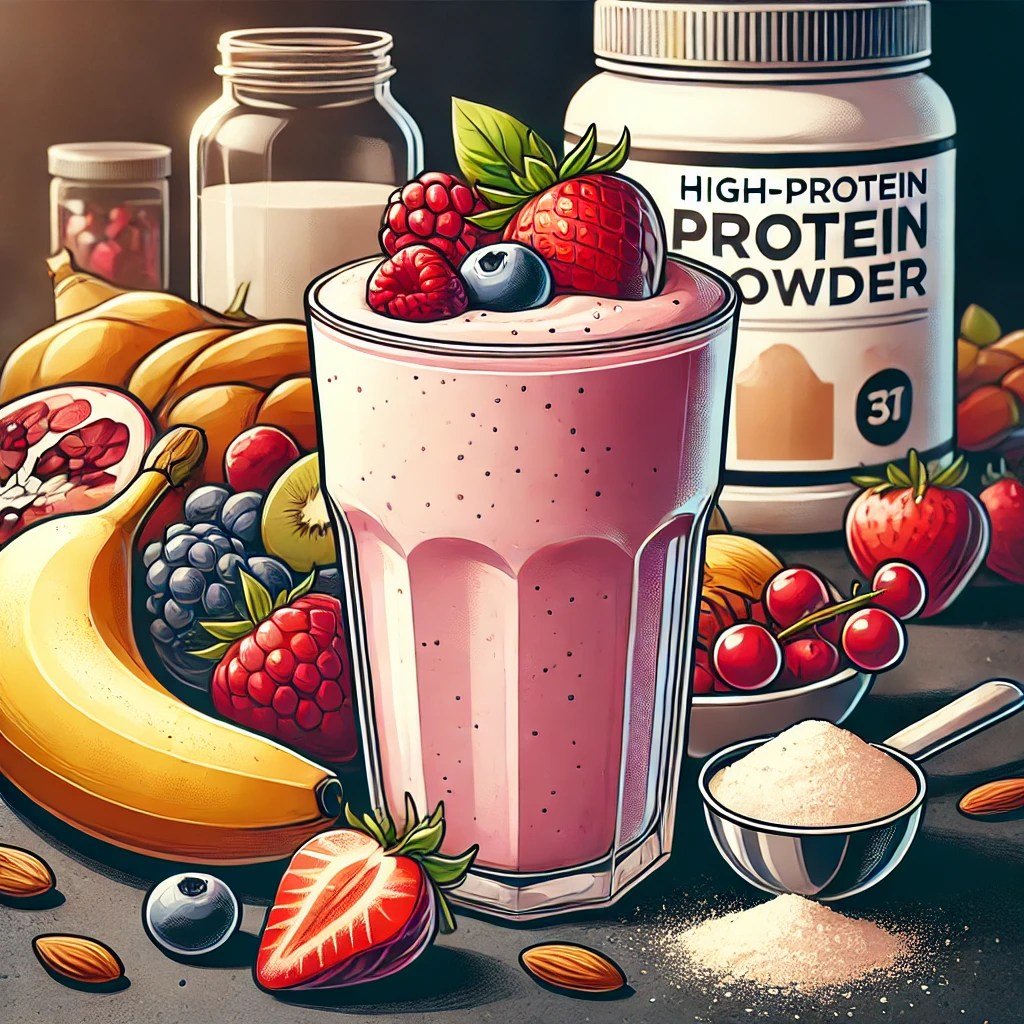
A protein tub can make an ordinary kitchen look like the preparation room for an expedition. Scoops, shakers, heroic labels—and sometimes a half-used bag that has been there since January.
Protein matters. A particular powder is optional. For an everyday man trying to stay active, the useful question is whether it makes eating well easier, rather than whether the packaging looks sufficiently athletic.
What is protein powder?
It is a concentrated source of protein made from foods such as milk, peas, soy or rice. Protein supplies amino acids that the body uses to build and maintain tissues. We get it from ordinary meals too: eggs, fish, meat, dairy, beans, lentils, tofu and other foods.
A powder can be convenient when a meal needs an extra protein source or your schedule makes food preparation awkward. It does not reproduce everything a varied meal offers. A shake mixed with water is not automatically a balanced replacement for lunch.
Five types, without the sales pitch
- Whey: made from milk, widely available and easy to mix. Check milk allergy and lactose tolerance; products differ.
- Casein: another milk protein, often thicker in texture and digested more slowly. You do not need a bedtime pudding to make your training count.
- Pea: a useful plant option for people avoiding dairy. Taste, ingredients and protein per serving vary. Plant-based does not mean nobody can be allergic to it.
- Soy: provides all the essential amino acids. It is one option within a varied diet, rather than a reason to join a dietary camp.
- Rice, hemp and blends: offer other textures and amino-acid profiles. Combining plant sources can be useful; compare the actual label rather than assuming every scoop is equivalent.
Food first, convenience where it helps
Look at a normal day before buying anything. Does breakfast contain a protein source? Is lunch a meal, or coffee followed by biscuits? Is dinner varied enough to cover more than one nutritional need?
If adding yoghurt, eggs, beans or another food you enjoy solves the problem, excellent. If powder makes a smoothie more useful on a busy morning, that is fine too. Neither choice needs a moral argument.
- After activity: have a meal or snack that suits your appetite and schedule. There is no need to panic over a stopwatch.
- In breakfast: a powder can mix into oats or a smoothie alongside other ingredients.
- While travelling: a convenient option can help, provided it does not become your whole eating plan.
Read the back of the bag
Compare protein per serving, ingredients, allergens, price and serving size. The size of the scoop alone tells you little. Multi-ingredient blends promising fat loss or hormonal changes deserve more scrutiny than a simple protein product.
Pulsin pea protein is one example of a plant powder; its product link is below so you can inspect a real label. It is an example, not a preferred purchase or evidence that you need a supplement.
How much is enough?
Needs vary with body size, age, activity and individual circumstances. We are not prescribing one number to every reader. More powder is not automatically more progress, and existing kidney problems or an individual eating plan call for advice tailored to you.
Healthy Baseline brings this back to getting the nutrients you need, building strength and allowing recovery. The tub is a tool if it helps. The meals and habits are still the foundation.
ONE THING TO TRYLook at tomorrow’s meals and identify their protein sources. Improve one meal with food you enjoy before deciding whether a powder is useful.
Sources and further reading