If you’ve ever stepped into a health store or scrolled through fitness supplements online, you’ve probably come across protein powder. It’s one of the most popular and effective supplements for muscle growth, recovery, and overall nutrition—but with so many options out there, it can be hard to know which one is right for you.
Let’s break it down: What is protein powder, why should you use it, and how do different types compare?
What Is Protein Powder?
Protein powder is a concentrated source of protein derived from either animal or plant sources. It’s typically used to supplement a diet that may be lacking in protein, particularly for those who:
✅ Are active and exercising regularly
✅ Want to maintain muscle as they age
✅ Follow a vegetarian or vegan diet
✅ Need a quick and convenient protein source
Why Use Protein Powder?
For many men in their 30s, 40s, and 50s, keeping protein intake consistent can be a challenge. Whether you’re busy with work, managing family life, or trying to stay fit, a protein powder can help you:
💪 Support Muscle Growth & Recovery – Essential for building muscle after exercise.
🔥 Aid in Fat Loss – Helps keep you full longer and maintain lean muscle.
⚡ Boost Daily Protein Intake – An easy way to hit your daily protein goal.
⌛ Save Time – A quick shake can replace a meal or post-workout snack.
Different Types of Protein Powder
Not all protein powders are created equal. Here’s a quick comparison of the most common types:
1. Whey Protein (Dairy-Based)
- Fast-absorbing, great for post-workout recovery.
- High in BCAAs (Branched-Chain Amino Acids), key for muscle growth.
- Best for: Those without dairy allergies, looking for a quick-digesting protein.
2. Casein Protein (Dairy-Based)
- Slow-releasing, ideal before bed to support overnight recovery.
- Thicker texture, often used in baking or protein puddings.
- Best for: Those who want longer-lasting satiety and slow muscle recovery.
3. Pea Protein (Plant-Based)
- Highly digestible and allergen-friendly (great for vegans & dairy-free diets).
- Rich in iron, making it a great choice for overall health.
- Best for: Vegans or those with dairy sensitivities.
Example: Pulsin Pea Protein
One excellent plant-based option is Pulsin Pea Protein. It’s:
✔ 100% natural with no artificial additives.
✔ Packed with 80% protein per serving (one of the highest for plant proteins).
✔ Mild in taste, making it easy to mix into shakes, smoothies, or even soups.
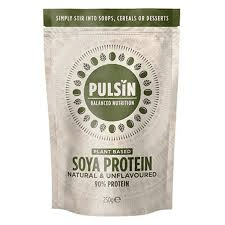
4. Soy Protein (Plant-Based)
- Complete protein (contains all essential amino acids).
- Supports heart health and cholesterol management.
- Best for: Those who want a complete plant protein with additional health benefits.
5. Rice & Hemp Protein (Plant-Based)
- Rice protein is easy on digestion but low in lysine.
- Hemp protein contains healthy fats but is lower in protein per serving.
- Best for: Those looking for a natural and minimally processed option.
How to Use Protein Powder Effectively
If you’re adding protein powder to your diet, here are some simple ways to use it:
🥤 Post-Workout Shake: Mix with water or almond milk for muscle recovery.
🍓 Smoothie Booster: Blend with fruit, oats, and nut butter for a filling meal.
🥞 Baking: Add to pancakes, oatmeal, or protein bars.
🍲 Savory Options: Stir into soups or stews for extra protein.
How Much Protein Do You Need?
Your daily protein needs depend on your activity level:
🏋️♂️ Active men (lifting weights, sports): 1.6 – 2.2g per kg of body weight.
🚶♂️ General health & maintenance: 1.0 – 1.2g per kg of body weight.
Example: If you weigh 80kg and train regularly, aim for 128g – 160g of protein per day.
Final Thoughts: Should You Use Protein Powder?
While whole food sources should always be a priority, protein powder is a convenient and effective way to meet your daily needs—especially if you’re active, aging, or just need a quick solution.
✅ For convenience and muscle recovery → Whey or pea protein.
✅ For slow digestion and satiety → Casein protein.
✅ For a vegan or dairy-free diet → Pulsin Pea Protein or soy protein.
If you’ve been struggling to get enough protein, it’s worth giving a high-quality protein powder a try.
👉 Check out Pulsin Pea Protein here: Pulsin Pea Protein
Discover more from Healthy Baseline
Subscribe to get the latest posts sent to your email.
