MOVE REGULARLY · STRENGTH AND STABILITY · 3 MIN READ
Feet: The Unsung Heroes That Deserve a Little More Attention.
They carry you through walks, work and weekends. Give your feet some practical care without turning footwear into another health argument.
Healthy Baseline · Updated 12 October 2026
Most of us remember our feet when we stub a toe, step on a stray piece of Lego or discover that new shoes were a terrible idea.
Otherwise they get on with the job. Walking, standing, climbing stairs, keeping us steady: it is quite a workload for something we mostly think about while buying socks.
Your connection to the ground
Feet contain a complex arrangement of bones, joints, muscles, tendons and ligaments. They help support weight, respond to the ground and contribute to balance and movement.
It is tempting to blame every knee or back complaint on the foundations. Bodies are more complicated than that. Foot comfort matters, but a shoe swap is not a guaranteed solution to pain elsewhere.
Does barefoot mean better?
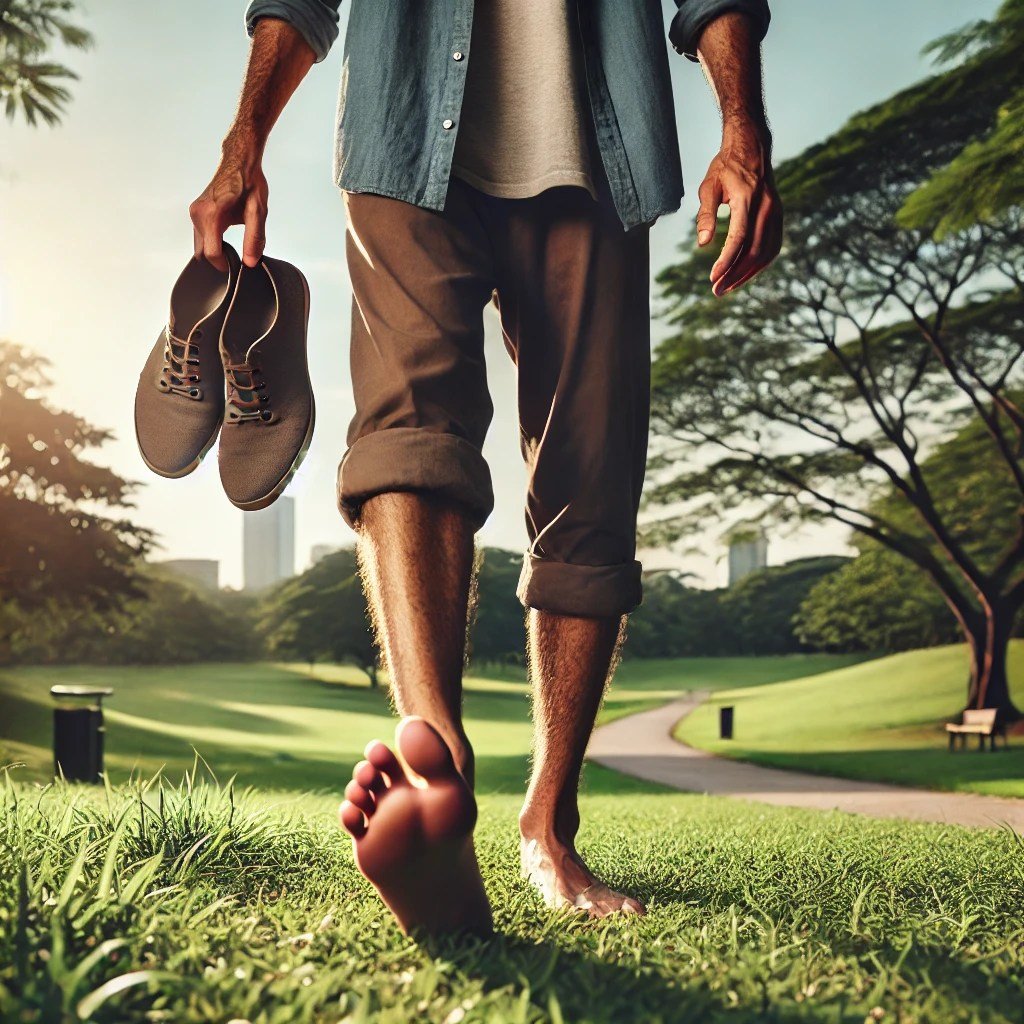
Some people enjoy being barefoot on a safe surface. It lets them feel the ground and move their toes more freely. That experience can be pleasant without needing a claim that contact with the earth cures inflammation.
Barefoot walking and running change the demands on the feet and lower legs. A sudden change from your usual footwear can be too much. Glass, rough ground, hot surfaces and infection risks also deserve more attention than an appealing photograph of a meadow.
If you have diabetes, reduced sensation, circulation problems or an existing foot injury, get individual advice about foot care and footwear rather than experimenting barefoot.
Minimalist shoes: an option, not a uniform
A wide toe box, flexible sole or lower heel may suit some people and activities. Other people need different support. “Natural” on a label does not tell you whether a shoe is right for your feet.
- Fit first: leave room for your toes and check for rubbing or pressure.
- Match the activity: a workday, rocky walk and running session ask different things of footwear.
- Change gradually: test a small amount of a new activity or shoe style before a long outing.
- Pay attention: persistent pain is a reason to reassess, not a challenge to push through.
Four bits of ordinary maintenance
- Have a look. Notice rubbing, blisters, skin changes or a sore area. It is easier to respond to a small problem than ignore it for weeks.
- Keep them comfortable. Wash and dry your feet, including between the toes, and use clean socks appropriate to the activity.
- Let them move. Try gently spreading and relaxing your toes while seated. Comfortable movement is enough; do not force a stretch.
- Build steadiness gradually. Supported balance work or controlled heel raises may be useful if comfortable and suitable for you. Keep a stable support nearby and stop if it hurts.
Explore the discussion, then use your judgement
Peter Attia’s stability resources and Peter Francis’ barefoot-running discussion offer different angles on movement. They are starting points for learning, rather than a requirement to replace every pair of shoes you own.
The Healthy Baseline connection is movement and stability that support real life: keeping a walk enjoyable, getting around comfortably and staying capable. Your feet deserve attention for that reason alone. They do not need to become your new hobby.
ONE THING TO TRYCheck the fit of the shoes you wear most. Notice toe room and any rubbing, then make one practical adjustment before your next walk.
Sources and further reading