REST & RELAXATION · PURPOSE & CONNECTION · 5 MIN READ
Beer, pubs and good company: finding the balance.
From ancient brewing to the local taproom, beer has a place in our social story. Enjoy the occasion, keep some perspective, and come back to your baseline.
Healthy Baseline · Updated 12 October 2026
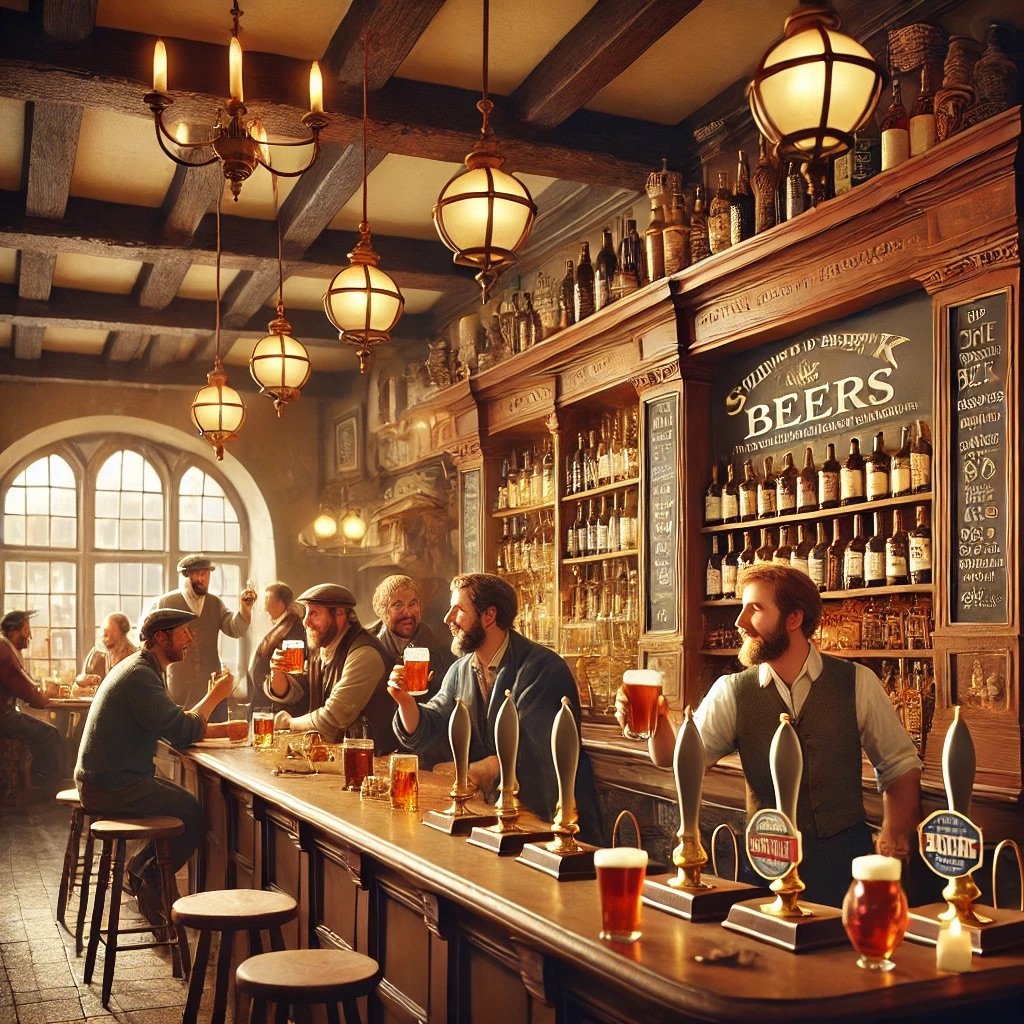
There’s a particular pleasure in arriving at a country pub after a long walk. Jackets off, a table found, somebody asks what you’re having. Before long, the conversation has wandered from the weather to a story nobody has told properly for twenty years.
For many of us in our forties, fifties and sixties, pubs have been part of student days, working life and family weekends. A beer can belong to that experience. So can Sunday lunch, a quiz, live music or simply somewhere welcoming to sit.
Healthy Baseline needs room for this side of life. Looking after ourselves should leave us with more life to enjoy.
A drink with a very long story
Beer’s place in society stretches back thousands of years. Mesopotamian records include beer rations, while ancient Egyptian brewing was part of everyday life and celebrations. Long before tasting flights and brewery merchandise, people were making and sharing fermented grain drinks.
Closer to home, England’s inns, taverns and alehouses developed into the public houses we recognise today. Coaching inns along routes such as the Great North Road offered travellers food, accommodation and fresh horses. They were places to stop on a journey, exchange news and meet other people.
Think about how many familiar pubs still stand beside an old road or at the heart of a village. Their names and buildings carry traces of those earlier lives. The surroundings have changed; the appeal of gathering somewhere welcoming remains easy to understand.
From the local to the microbrewery
The modern craft brewing movement added another chapter. In the United States, small breweries spread from the 1980s and challenged the dominance of bigger producers. Their influence helped make variety, local identity and experimentation part of the beer conversation.
Across Britain and further afield, brewery taprooms now offer another kind of gathering place: long tables, food stalls, outdoor seating and the chance to discover something made nearby. A visit can feel more like an afternoon out than a conventional night at the bar.
I was at a brewery with my family recently, surrounded by other families enjoying an evening under open tents. Beer was part of it, but so were the setting, the conversation and being out together. That wider experience is the point.
The bright side: company, atmosphere and enjoyment
A good pub or taproom gives people a reason to make a plan and a place to keep it. There’s room for catching up, meeting someone new, celebrating something small or laughing at an old memory. Sometimes the best part is putting work aside for a couple of hours.
For people who enjoy beer, its flavour and craft can add to the occasion: a familiar bitter, an interesting IPA, a recommendation from behind the bar. Enjoyment is a reasonable thing to value. We don’t have to turn every pleasure into a claim about better health.
The important distinction is between enjoying the whole experience and relying on alcohol to manage stress. A relaxed evening can feel restorative; beer itself is not a treatment. Friendship and atmosphere are still there when somebody chooses an alcohol-free drink.
Keep the occasion in proportion
Moderation deserves a bit more thought than “I’ll be good tomorrow”. Pay attention to the size and strength of what you’re drinking, leave room for alcohol-free days and decide how you’re getting home before the first round. Lower-strength and alcohol-free options can make it easier to enjoy the occasion at your own pace.
Alcohol carries health risks and can disturb sleep. Drinking less reduces those risks; a craft label or an expensive pint doesn’t change that. Water and food can belong on the table, but they don’t make alcohol harmless.
Come back to your nine principles
After an evening out, return to your ordinary routines. Think of the principles as a foundation for everyday life, rather than a repayment plan for the previous night.
- Breathe comfortably: give yourself everyday ways to pause and unwind.
- Stay hydrated: make water easy to reach throughout your day.
- Get the nutrients you need: enjoy regular, nourishing meals.
- Move regularly: keep movement part of your week, including walks you enjoy.
- Build strength and stability: look after the abilities that help you stay active.
- Protect sleep, rest and recovery: leave yourself time to settle and rest.
- Reduce harmful exposures: include your alcohol choices in that bigger picture.
- Make space for focus: keep the evening from taking over the following day.
- Live with purpose: make time for the people and occasions that matter.
There’s no exercise session, smoothie or “clean” day that cancels alcohol’s effects. There is a more useful question: does the way you enjoy yourself fit the life you want to lead?
A baseline with room for living
We’re interested in a life with friendship, adventure and enjoyment, supported by habits we can sustain. A pub visit or brewery afternoon may be part of that for you. Keep the company, appreciate the occasion and make thoughtful choices about the drink. There’s room for pleasure and perspective at the same table.
ONE THING TO TRYMessage one friend with a real suggestion: a day, a time and something you would both enjoy.
Sources and further reading